Home › Common Problems › Aging or Failing Bathroom Plumbing Drain Lines
Aging or Failing Bathroom Plumbing Drain Lines
in Seattle, WA
Seattle's older neighborhoods are home to thousands of bathrooms still draining through cast iron or Orangeburg pipe drain lines that have reached or exceeded their service life. Cast iron drain stacks installed in Seattle homes before 1970 are subject to decades of moisture exposure inside wall cavities — a particular problem given the city's wet climate — leading to rust-through corrosion that causes leaks, root intrusion points, and eventually partial or complete blockage. Orangeburg pipe, a compressed tar-and-felt material used in some mid-century Seattle construction, softens and collapses under sustained moisture exposure and is now found in a failing state in homes throughout South Seattle, Rainier Beach, and similar post-war neighborhoods.
Telltale Signs
Warning Signs to Watch For
- The bathroom sink, tub, or shower drains noticeably slower than it did a year ago
- A gurgling sound comes from the toilet or tub drain when another fixture drains nearby
- Sewage or rotten-egg odor rises from floor drains or the toilet base intermittently
- Multiple drains in the bathroom back up at the same time during heavy use
- Rusty water or dark sediment appears in the tub when it drains after a bath
- The bathroom is in a home built before 1960 and drains have never been replaced
Root Causes
What Causes Aging or Failing Bathroom Plumbing Drain Lines?
Corroded Cast Iron Drain Stack
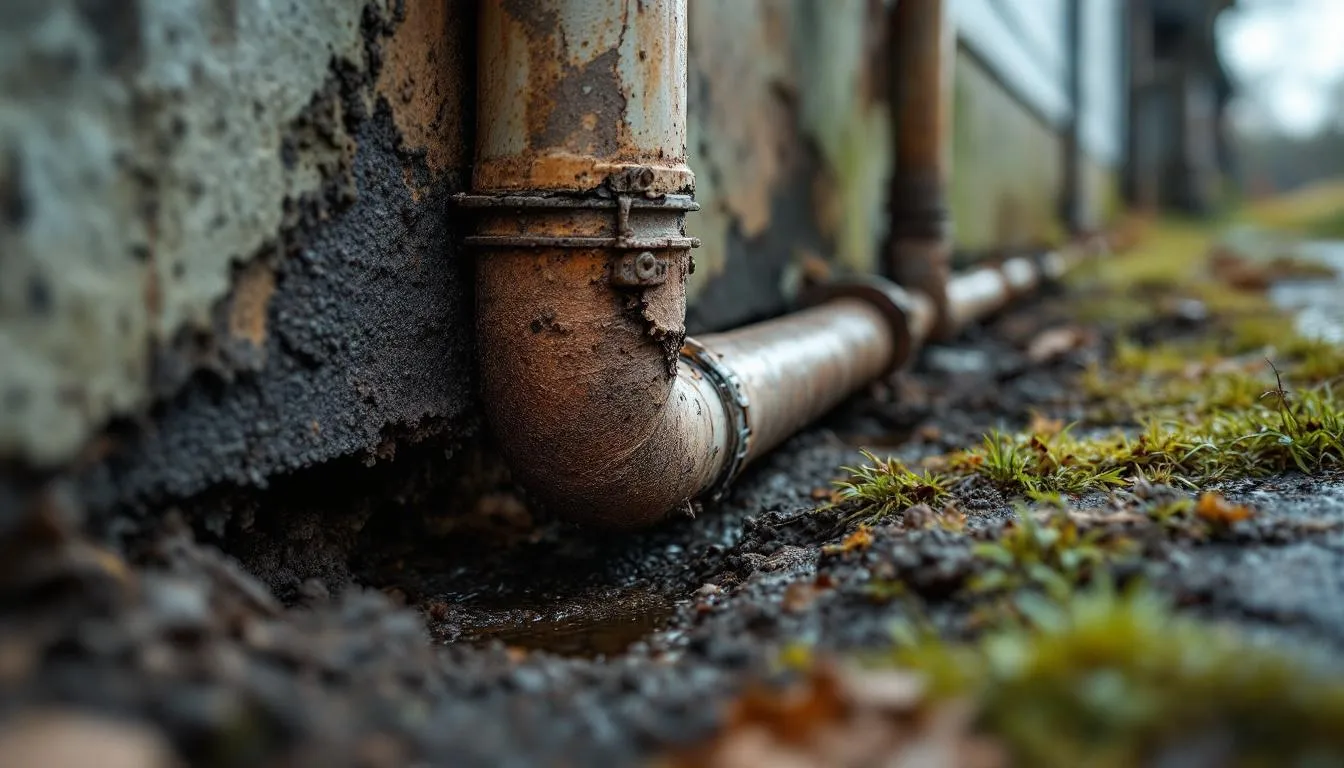
Cast iron drain pipes common in Seattle homes built before 1965 corrode from the inside out as hydrogen sulfide gas — produced by organic matter in drain lines — reacts with the iron to form rust scale that progressively narrows the pipe bore. Seattle's persistently damp interior environments accelerate exterior surface corrosion simultaneously, eventually causing pinhole leaks at joints and horizontal run sections that seep water into wall cavities and floor assemblies over years before detection.
The Fix
Cast Iron Stack Replacement or Epoxy Lining
Replacing deteriorated cast iron drain sections with schedule 40 PVC or ABS provides a smooth-bore, corrosion-resistant drain system with a multi-decade service life. For situations where wall access is limited, trenchless epoxy pipe lining can restore the interior surface of cast iron stacks without full demolition.
Partial Drain Line Blockage or Root Intrusion
Seattle's abundant tree canopy — including the large maple, cedar, and birch trees that line residential streets throughout the city — sends fine roots toward any moisture source, including cracked or joint-separated drain lines. Once roots enter a cast iron or clay tile drain, they grow rapidly inside the pipe, catching tissue and debris until a near-complete blockage forms. The clay soils common in Seattle neighborhoods like Columbia City and Rainier Valley also shift seasonally, stressing pipe joints and accelerating crack formation.
The Fix
Hydro-Jetting and Drain Camera Inspection
Using a high-pressure water jetting system to clear root masses and buildup, followed by a camera inspection of the cleared line, identifies the extent of root intrusion and any structural damage to the pipe. If camera footage shows collapsed sections or pervasive root entry points, targeted drain replacement or relining prevents rapid recurrence.
Improper Drain Slope or Venting
Bathroom additions and remodels performed without permits in Seattle frequently resulted in drain lines with inadequate slope — less than the required one-quarter inch per foot — or without proper venting through the roof. In the low-slope drain condition, solids settle and accumulate rather than flushing clear, producing chronic slow drains. Without proper venting, negative pressure in the drain system siphons water from fixture traps, allowing sewer gas to enter the bathroom — a health and odor problem compounded by Seattle's air-tight modern insulation standards.
The Fix
Drain Rerouting and Vent Stack Addition
Rerunning the drain rough-in at the correct slope and adding a properly sized vent stack or air admittance valve where permitted by Seattle's local plumbing code amendment ensures consistent flushing action and maintains trap seals. These corrections are typically completed as part of a full bathroom remodel that opens the floor and wall framing for access.
Self-Diagnosis
Which Cause Applies to You?
Check the signs you're observing to narrow down the likely root cause before your inspection.
| What You're Seeing | Corroded Cast Iron Drain Stack | Partial Drain Line Blockage or Root Intrusion | Improper Drain Slope or Venting |
|---|---|---|---|
| Rust-colored water or black sediment appears in the tub at drain time | |||
| All bathroom fixtures drain slowly at the same time | |||
| Gurgling from toilet when sink drains, sewer odor present | |||
| Drain blockage returns within weeks after snaking | |||
| Home is pre-1960 and no drain work has ever been performed | |||
| Bathroom was added informally to basement with no permit history |
Free Inspection
Get a Diagnosis in Seattle
An on-site inspection is the only way to confirm which cause applies to your property. Free, no obligation.
(206) 274-0812Free on-site inspection
Written estimate before work starts
Serving Seattle & surrounding areas
Other Problems
Also Helpful