Home › Common Problems › Outdated or Non-Code Electrical in Bathroom
Outdated or Non-Code Electrical in Bathroom
in Seattle, WA
Seattle's large inventory of pre-1970 homes — particularly the craftsman bungalows, mid-century colonials, and early ramblers found throughout neighborhoods like Fremont, Wallingford, and West Seattle — frequently contains original knob-and-tube or early aluminum wiring that was never designed to handle modern bathroom electrical loads. Seattle City Light and the City of Seattle enforce Washington State electrical codes that require GFCI protection within six feet of any water source, proper exhaust fan circuits, and in many cases arc-fault protection on bathroom circuits. Non-compliant wiring is both a safety hazard and a permit issue that will surface during any future home sale inspection.
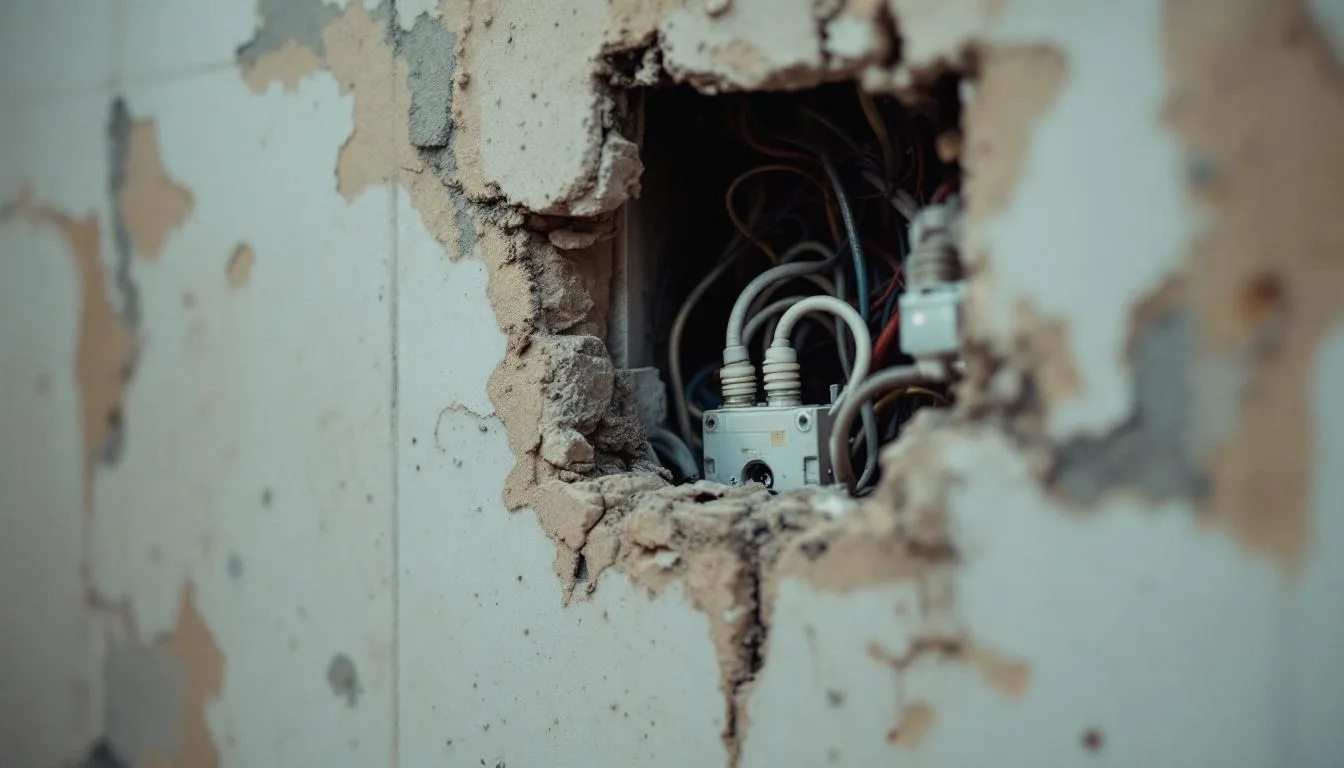
Telltale Signs
Warning Signs to Watch For
- Bathroom outlets are two-prong ungrounded receptacles with no GFCI protection
- The exhaust fan and bathroom lights are on the same circuit with no dedicated fan wiring
- Breakers trip frequently when multiple bathroom appliances are used simultaneously
- Light switches or outlet covers feel warm to the touch or show scorch marks
- No GFCI outlet or breaker protection present anywhere in the bathroom
- Wiring visible in the attic above the bathroom shows cloth-wrapped knob-and-tube conductors
Root Causes
What Causes Outdated or Non-Code Electrical in Bathroom?
Knob-and-Tube or Aluminum Wiring
Many Seattle homes built before 1950 contain original knob-and-tube wiring, while homes from the 1960s and early 1970s may have aluminum branch circuit wiring — both of which are inadequate for modern bathroom electrical loads and incompatible with today's GFCI and AFCI device requirements. The moist bathroom environment accelerates oxidation at connections, increasing resistance, generating heat, and creating a fire and shock hazard.
The Fix
Full Bathroom Circuit Rewire
Replacing the bathroom's branch circuits with new copper wiring, properly sized breakers, and GFCI-protected receptacles brings the room into compliance with current Seattle electrical code and eliminates the degraded connection risks inherent in aged wiring systems.
Absence of GFCI Protection
Bathrooms that were wired or last updated before the National Electrical Code began requiring GFCI protection near water sources — and before Seattle adopted those revisions — lack the ground-fault protection that prevents electrocution when a current leak occurs near water. In Seattle's damp climate, where condensation and humidity are persistent, this omission presents an elevated risk compared to drier regions.
The Fix
GFCI Outlet and Breaker Installation
Installing GFCI-protected outlets at all bathroom receptacle locations and, where applicable, a GFCI breaker at the panel provides the required shock protection. This is a straightforward update that immediately brings the bathroom into code compliance.
Undersized or Shared Circuits
Older Seattle bathroom wiring frequently shared circuits between the bathroom, hallway, and adjacent bedroom — a configuration that was common practice before dedicated bathroom circuit requirements. Today's bathroom loads including hairdryers, heat lamps, towel warmers, and electric shavers routinely exceed what a shared 15-amp circuit can safely carry, causing chronic nuisance tripping and creating heat buildup in the wiring.
The Fix
Dedicated Bathroom Circuit Installation
Running a new dedicated 20-amp circuit from the panel to the bathroom, with properly rated outlets, ensures the room has sufficient capacity for modern appliances without overloading shared wiring and eliminates the chronic tripping that signals an overloaded circuit.
Self-Diagnosis
Which Cause Applies to You?
Check the signs you're observing to narrow down the likely root cause before your inspection.
| What You're Seeing | Knob-and-Tube or Aluminum Wiring | Absence of GFCI Protection | Undersized or Shared Circuits |
|---|---|---|---|
| Outlets are two-prong with no GFCI and panel shows old fuse block | |||
| No GFCI outlet or breaker present anywhere in the bathroom | |||
| Breaker trips whenever a hairdryer and exhaust fan run together | |||
| Outlet covers or switch plates feel warm after normal use | |||
| Cloth-wrapped wiring visible in attic above bathroom |
Free Inspection
Get a Diagnosis in Seattle
An on-site inspection is the only way to confirm which cause applies to your property. Free, no obligation.
(206) 274-0812Free on-site inspection
Written estimate before work starts
Serving Seattle & surrounding areas
Other Problems
Also Helpful