Home › Common Problems › Deteriorating Tile and Grout in Wet Areas
Deteriorating Tile and Grout in Wet Areas
in Seattle, WA
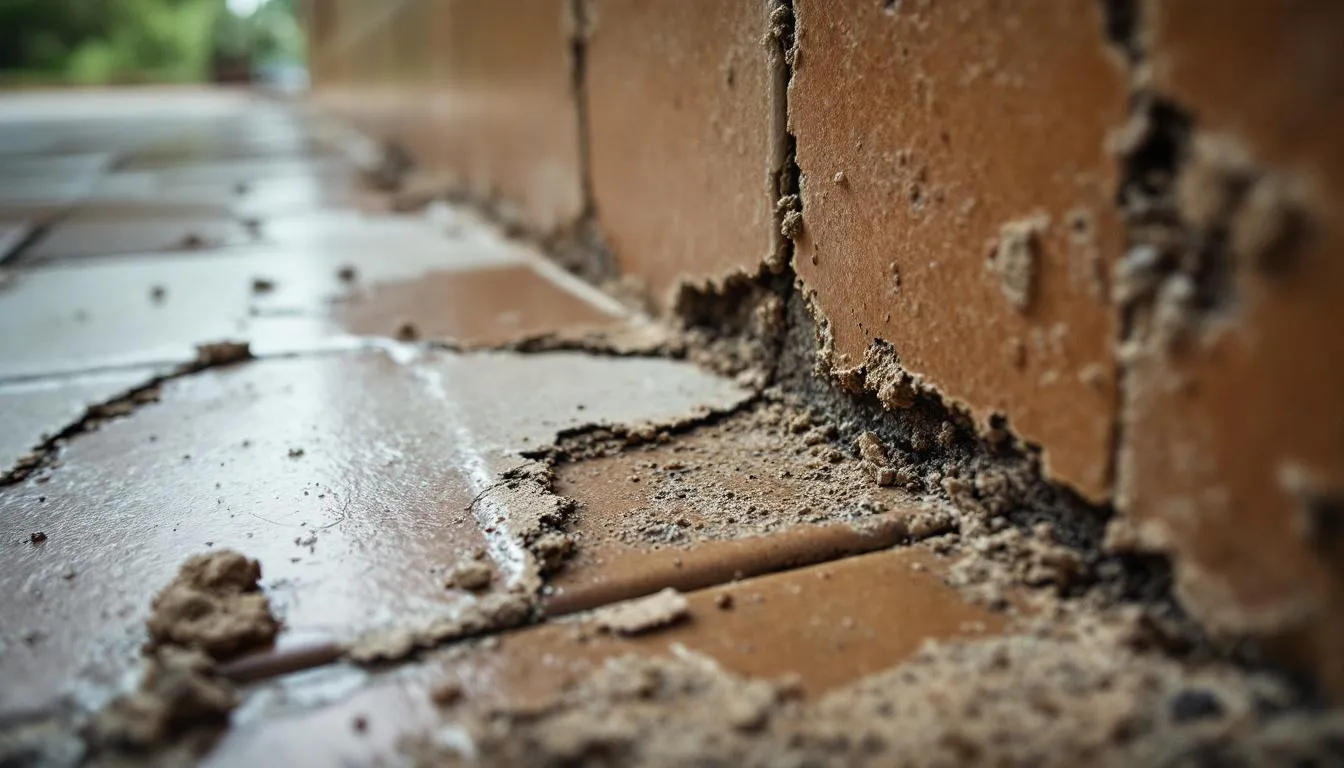
Tile and grout deterioration is among the most common bathroom problems in Seattle homes, driven by the city's nearly year-round moisture exposure combined with the natural aging of materials installed in the 1970s through 1990s building boom that produced much of the current housing stock. Grout is inherently porous and, without regular sealing, absorbs water, soap minerals, and mineral deposits from Seattle's moderately hard water supply, leading to discoloration, cracking, and eventually complete failure of the waterproof assembly. Once water migrates behind the tile field, the damage to the wall or floor substrate typically far exceeds what is visible on the surface.
Telltale Signs
Warning Signs to Watch For
- Grout lines appear dark, stained, or permanently discolored despite scrubbing
- Individual tiles crack, chip, or sound hollow when tapped with a knuckle
- Grout is visibly recessed, crumbling, or missing entirely between tiles
- Tiles near the tub or shower threshold have shifted position or are no longer flush
- Silicone caulk at inside corners has pulled away from one or both surfaces
- A thin white or tan mineral crust has formed along grout lines from repeated wetting
Root Causes
What Causes Deteriorating Tile and Grout in Wet Areas?
Unsealed or Aged Grout Absorption
Unsanded and sanded cementitious grouts used in most Seattle bathroom installations are porous by nature and must be sealed periodically to resist water absorption. Seattle's high annual rainfall and humidity mean bathroom surfaces never fully dry out between uses, accelerating the breakdown of unprotected grout. Once saturated with water and soap minerals, grout loses structural integrity, cracks, and no longer prevents water from reaching the substrate.
The Fix
Grout Removal, Replacement, and Sealing
Grinding out all deteriorated grout, cleaning the tile joints thoroughly to remove soap and mineral deposits, and applying new grout followed immediately by a penetrating sealer restores the waterproof assembly. Using an epoxy grout in high-splash zones provides superior long-term moisture resistance suited to Seattle's damp conditions.
Substrate Movement Cracking Tile
Seattle's glacially deposited soils — a mix of glacial till, outwash sands, and in many neighborhoods, compressible fill — produce subtle but ongoing building movement as seasonal moisture changes cause soil volume changes. Rigid tile and grout cannot accommodate this movement, and when the substrate beneath flexes even slightly, tiles crack at their midpoints or grout joints open at regular intervals in a pattern that follows the structural movement.
The Fix
Uncoupling Membrane Installation with Retile
Installing a crack-isolation or uncoupling membrane — such as a polyethylene mat system — between the substrate and the new tile layer absorbs differential movement and prevents it from transferring as stress into the tile assembly. This approach is particularly well-suited to older Seattle homes on fill soils.
Self-Diagnosis
Which Cause Applies to You?
Check the signs you're observing to narrow down the likely root cause before your inspection.
| What You're Seeing | Unsealed or Aged Grout Absorption | Substrate Movement Cracking Tile |
|---|---|---|
| Grout is dark and crumbling but tiles are intact and still solidly bonded | ||
| Cracks run diagonally through tile faces, not just along grout joints | ||
| Grout cracks appear in a regular repeating grid pattern across the floor | ||
| White mineral crust buildup on grout with soft crumbly texture | ||
| Tiles hollow-sounding near shower base where grout has fully washed out |
Free Inspection
Get a Diagnosis in Seattle
An on-site inspection is the only way to confirm which cause applies to your property. Free, no obligation.
(206) 274-0812Free on-site inspection
Written estimate before work starts
Serving Seattle & surrounding areas
Other Problems
Also Helpful