Home › Common Problems › Chronic Bathroom Mold and Mildew Growth
Chronic Bathroom Mold and Mildew Growth
in Seattle, WA
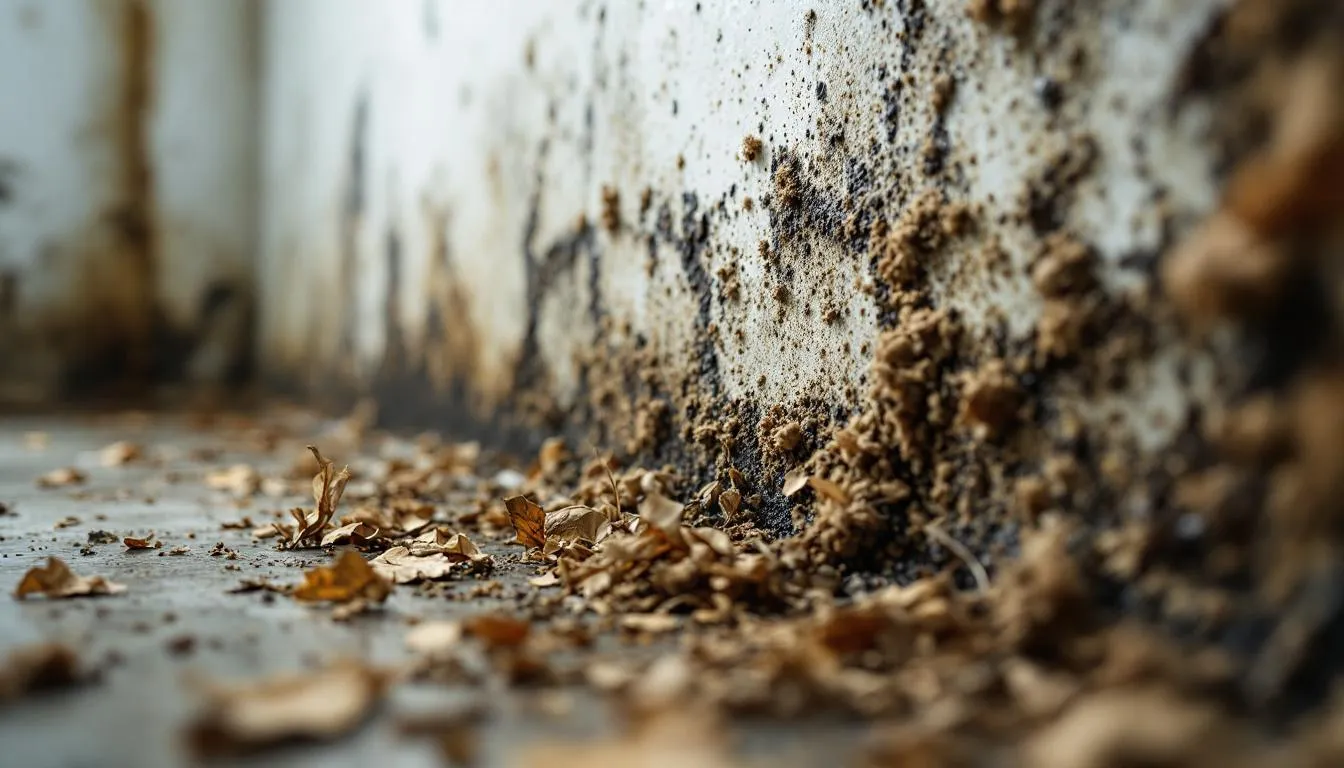
Seattle's famously damp climate — with over 150 rainy days per year and consistently high ambient humidity — makes bathrooms one of the most vulnerable rooms in any home. Many Seattle houses built before the 1980s lack adequate exhaust ventilation by today's standards, trapping moisture after every shower and allowing mold colonies to take hold in grout lines, drywall, and behind tile. Left unaddressed, chronic mold degrades indoor air quality, destroys substrate materials, and can require extensive demolition to fully remediate.
Telltale Signs
Warning Signs to Watch For
- Black, green, or pink discoloration spreading along grout lines and silicone caulk seams
- Musty or earthy odor that lingers even after the bathroom is cleaned and aired out
- Peeling or bubbling paint on the ceiling directly above the shower or tub
- Visible condensation regularly forming on mirrors and walls long after showers end
- Soft or spongy drywall texture when pressed near the shower surround
- Recurring respiratory irritation or allergy symptoms reported by household members
Root Causes
What Causes Chronic Bathroom Mold and Mildew Growth?
Inadequate Exhaust Ventilation
Older Seattle homes — particularly craftsman bungalows and post-war ramblers common in neighborhoods like Ballard and Beacon Hill — were built before modern mechanical ventilation codes required minimum CFM-rated bathroom fans. Without sufficient air exchange, steam from hot showers saturates the air and condenses on every cool surface, creating the persistent moisture mold needs to thrive.
The Fix
High-Capacity Exhaust Fan Upgrade
Installing a properly sized exhaust fan rated to the bathroom's square footage and vented directly to the exterior — not into the attic — removes humid air at the source. Humidity-sensing models are particularly effective in Seattle because they run automatically whenever moisture levels rise, regardless of occupant habits.
Failed Grout and Caulk Seals
Seattle's temperature swings between cold wet winters and dry warm summers cause tile grout and silicone caulk to expand and contract repeatedly, eventually cracking or separating. Once those seals fail, liquid water infiltrates the substrate behind tile, soaking cement board or drywall and feeding hidden mold colonies that surface cleaning never reaches.
The Fix
Grout and Caulk Reseal or Full Retile
Removing all failed grout and caulk, treating any existing mold on the substrate, and applying fresh epoxy grout and 100% silicone caulk at all plane-change joints creates a watertight barrier. In cases where water has penetrated deeply, replacing the substrate with moisture-resistant cement board before retiling ensures the repair lasts.
Missing or Undersized Vapor Barrier
Many Seattle bathroom remodels completed before the adoption of stricter IRC moisture-protection provisions used standard drywall or greenboard behind tile rather than a true vapor barrier assembly. Seattle's persistently humid air means moisture vapor diffuses through tile and grout year-round, wetting the wall cavity and triggering mold growth in the stud bays where it goes unseen for years.
The Fix
Vapor Barrier and Substrate Replacement
Opening the wall assembly, treating framing members for existing mold, and installing a continuous sheet membrane or foam-based vapor barrier before applying cement board and new tile eliminates the moisture diffusion pathway for the long term.
Self-Diagnosis
Which Cause Applies to You?
Check the signs you're observing to narrow down the likely root cause before your inspection.
| What You're Seeing | Inadequate Exhaust Ventilation | Failed Grout and Caulk Seals | Missing or Undersized Vapor Barrier |
|---|---|---|---|
| Mold is only on surface grout and caulk, no soft walls | |||
| Mirror stays fogged for 30+ minutes after a short shower | |||
| Mold returns within weeks of a thorough bleach cleaning | |||
| Soft or damp drywall detected behind the tile surround | |||
| Musty smell originates from inside the wall, not just the surface | |||
| No exterior vent duct found connected to the bathroom fan |
Free Inspection
Get a Diagnosis in Seattle
An on-site inspection is the only way to confirm which cause applies to your property. Free, no obligation.
(206) 274-0812Free on-site inspection
Written estimate before work starts
Serving Seattle & surrounding areas
Other Problems
Also Helpful