Home › Common Problems › Low Water Pressure at Shower and Fixtures
Low Water Pressure at Shower and Fixtures
in Seattle, WA
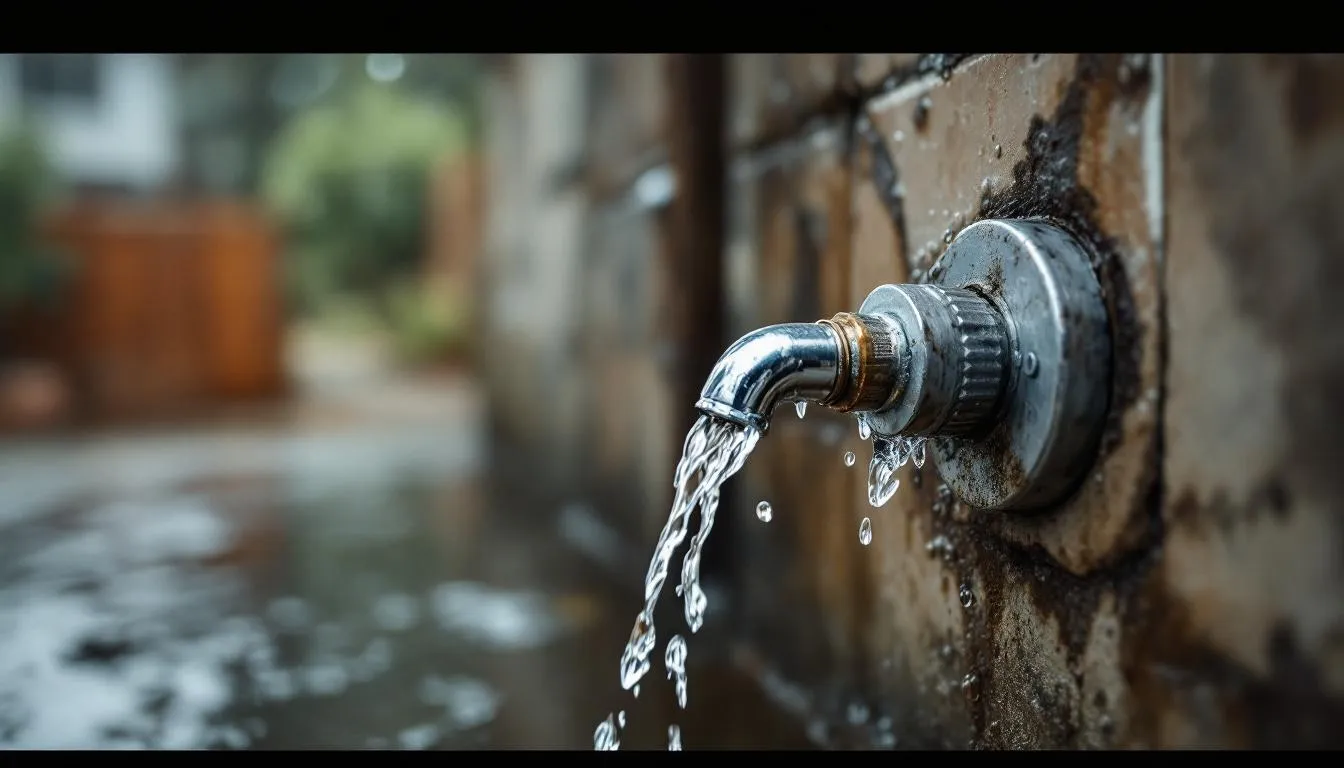
Low water pressure is a frequent complaint in Seattle bathrooms, particularly in homes built before 1970 that still have their original galvanized steel supply piping. Seattle's water comes from the Cedar River and South Fork Tolt watersheds and is notably soft and slightly acidic — a chemistry that is gentle on most surfaces but accelerates corrosion and mineral scale buildup inside aging galvanized pipe. As the interior bore of galvanized pipe progressively narrows from rust and scale accumulation, pressure and flow at fixtures drops noticeably, and the problem compounds over time until even full-open valves deliver an unsatisfying trickle.
Telltale Signs
Warning Signs to Watch For
- Shower flow feels weak or inconsistent even when the valve is fully open
- Hot and cold water pressure are noticeably mismatched at the mixing valve
- Water pressure drops significantly at the shower when a toilet is flushed nearby
- Reddish or rust-colored water appears briefly when the shower is first turned on after standing
- Multiple fixtures have progressively worsened over several years with no obvious cause
- The shower head produces uneven spray patterns with some nozzles blocked entirely
Root Causes
What Causes Low Water Pressure at Shower and Fixtures?
Corroded Galvanized Supply Piping
Seattle's mildly acidic municipal water reacts slowly but persistently with the zinc coating inside galvanized steel pipes, causing the interior to develop iron oxide buildup that progressively restricts flow. In pre-1960 Seattle homes — particularly in Capitol Hill, Madrona, and the Central District where the housing stock is dense and old — galvanized pipes may be 60 to 80 years old and have lost more than half their original interior diameter, severely throttling pressure at shower heads and faucets.
The Fix
Whole-House or Partial Repiping with PEX
Replacing corroded galvanized supply lines with flexible PEX tubing restores full interior diameter throughout the supply system. PEX is the preferred material for Seattle repiping projects because it resists the city's slightly acidic water chemistry, handles freeze-thaw cycles in uninsulated areas, and can be routed through existing wall cavities with minimal demolition.
Clogged or Failing Pressure Balancing Valve
Shower valves in Seattle homes that were last updated in the 1980s or 1990s often contain pressure-balancing cartridges that accumulate mineral scale from the region's moderately hard water minerals despite the generally soft source water. When the cartridge ports become partially blocked, the valve can no longer maintain balanced flow between hot and cold supplies, resulting in weak overall pressure and wild temperature swings when other fixtures draw water elsewhere in the home.
The Fix
Shower Valve Cartridge Replacement
Removing and replacing the pressure-balancing cartridge inside the shower valve — or replacing the entire valve body if corrosion is severe — restores the mixing and pressure-balancing function. Upgrading to a thermostatic valve at the same time provides superior temperature stability and comfort for Seattle's variable incoming water temperatures.
Flow Restrictor Over-Restriction
Seattle Public Utilities has promoted water conservation for decades, and many older Seattle homes were retrofitted with low-flow aerators and shower head flow restrictors during conservation programs in the 1990s. In homes where water pressure is already marginal due to aging supply pipes or street main pressure — common in hilly Seattle neighborhoods like Queen Anne or First Hill — these restrictors further reduce flow below a functional level for a satisfying shower experience.
The Fix
Flow Restrictor Adjustment or Replacement
Removing or replacing overly restrictive flow limiters in shower heads and faucet aerators, and selecting WaterSense-certified fixtures designed to deliver acceptable flow rates at lower pressures, balances water conservation goals with functional performance at Seattle's actual supply pressures.
Self-Diagnosis
Which Cause Applies to You?
Check the signs you're observing to narrow down the likely root cause before your inspection.
| What You're Seeing | Corroded Galvanized Supply Piping | Clogged or Failing Pressure Balancing Valve | Flow Restrictor Over-Restriction |
|---|---|---|---|
| Rust-colored water appears briefly at shower start-up | |||
| Pressure drops at shower whenever toilet flushes or another tap opens | |||
| All fixtures in the house show reduced flow, not just the bathroom | |||
| Shower pressure is weak but all other house fixtures are normal | |||
| Shower temperature swings hot and cold with no pressure drop elsewhere | |||
| Flow restrictor disc visible inside shower head, home built before 1970 |
Free Inspection
Get a Diagnosis in Seattle
An on-site inspection is the only way to confirm which cause applies to your property. Free, no obligation.
(206) 274-0812Free on-site inspection
Written estimate before work starts
Serving Seattle & surrounding areas
Other Problems
Also Helpful